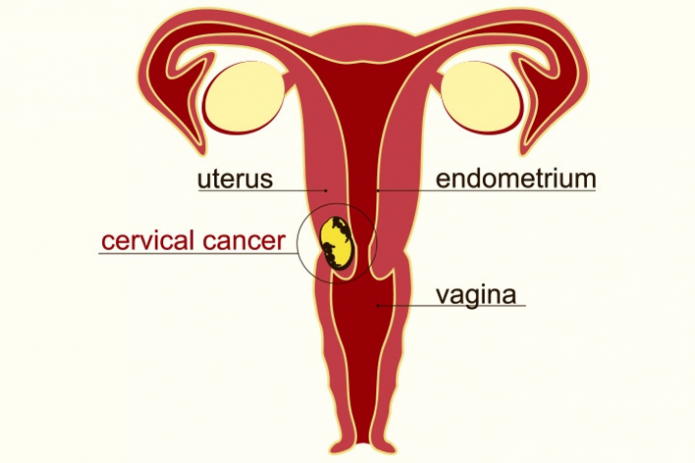
Almost all cervical cancers are caused by human papillomavirus (HPV), a common virus that can be passed from one person to another during sex. There are many types of HPV. Some HPV types can cause changes on a woman’s cervix. This can lead to cervical cancer over time, while other types can cause genital or skin warts.
HPV is so common that most people get it at some time in their lives. HPV usually causes no symptoms. For most women, HPV will go away on its own; however, if it does not, there is a chance that over time it may cause cervical cancer.
Risk factors of cervical cancer include—
- Smoking
- Having HIV (the virus that causes AIDS) or another condition that makes it hard for your body to fight off health problems.
- Having several sexual partners.
- Using birth control pills for a long time (five or more years).
- Having given birth to three or more children.
Content source: Division of Cancer Prevention and Control, Centers for Disease Control and Prevention