The Blog

Articles & News

The Blog

Articles & News

Read More

Smiles? …..Magical!

Smiles? …..Magical!

Everyone likes being smiled at because smiles are powerful. It does not cost much to put up a smile on your face.
Want to know the health benefits of a smile? Check these out:

1. Boosts mood

A smile helps the body release the ‘feel-good’ chemicals (endorphins, serotonin, oxytocin, dopamine) into the bloodstream. These helps to reduce blood pressure, heart rate, pain and the production of stress hormones (adrenaline, norepinephrine, cortisol). Elevated levels of stress hormones suppress every other hormone in the body, thereby leading to hormonal imbalance. Symptoms of hormonal imbalance include: leg cramps, depression, anxiety, reduced libido, vaginal dryness, sleep disturbances, night sweats, weight gain, urinary incontinence, memory loss to mention a few.

2. Improves immune system

Production of immune cells as well as infection-fighting antibodies increases with just a smile. This helps the body resist numerous diseases.

3. Enhances appearance

Smiling most often gives the illusion of confidence, attractiveness and youthfulness. People who smile easily are usually likeable, more readily approached with business ideas and offered advancements or rewards which invariably, enhances better relationships. Interestingly, most men are attracted to women who smile most times than those who frown.

4. Increases life span

More than just a respite from stress and agony, smile improves strength and courage to find new sources of hope, happiness and the will to thrive amidst difficulties.

So, wear your best smiles every single day!

Read More

Dear Visitor,


Read More

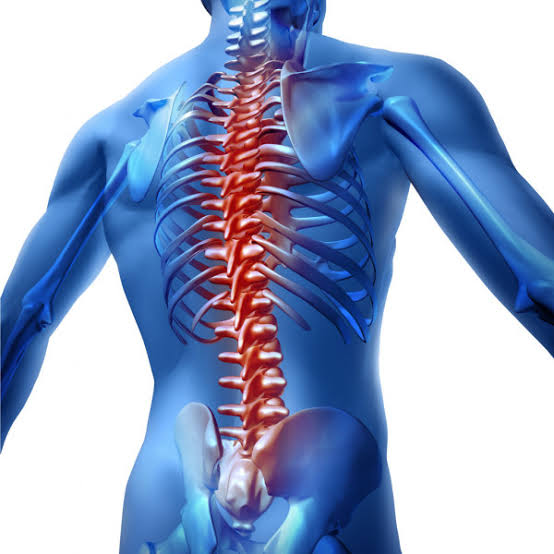
Wear and tear in the spine (spinal degeneration)

Wear and tear in the spine (spinal degeneration)


Please read: https://physiosparks.com/2022/01/07/drug-therapy-in-osteoarthritis/

Read More

https://www.instagram.com/reel/DD7vol9ySG3/?utm_source=ig_web_copy_link

Read More

Read More


Read More

Read More

Warning Signs of Dementia

Warning Signs of Dementia

Alzheimer’s is a brain disease that causes a slow decline in memory, thinking and reasoning skills. Here’s a clear breakdown of the 10 early warning signs of Alzheimer’s and how they differ from typical age-related changes, based on trusted sources like the Alzheimer’s Association:

🧠 1. Memory Loss That Disrupts Daily Life

• Alzheimer’s Sign: Forgetting recently learned information, repeating questions, or relying heavily on memory aids.
• Normal Aging: Occasionally forgetting names or appointments but remembering them later.


📊 2. Challenges in Planning or Solving Problems

• Alzheimer’s Sign: Trouble following a familiar recipe or managing bills.
• Normal Aging: Making occasional errors in household finances.


🧩 3. Difficulty Completing Familiar Tasks

• Alzheimer’s Sign: Trouble driving to a familiar location or remembering game rules.
• Normal Aging: Needing help with new technology or settings.


🕰️ 4. Confusion with Time or Place

• Alzheimer’s Sign: Losing track of dates, seasons, or forgetting where they are.
• Normal Aging: Momentary confusion about the day of the week.


👁️ 5. Trouble Understanding Visual Images and Spatial Relationships

• Alzheimer’s Sign: Difficulty reading, judging distance, or recognizing contrast.
• Normal Aging: Vision changes due to cataracts.


🗣️ 6. New Problems with Words in Speaking or Writing

• Alzheimer’s Sign: Struggling with vocabulary, repeating themselves, or calling objects by the wrong name.
• Normal Aging: Occasionally having trouble finding the right word.

🔍 7. Misplacing Things and Losing the Ability to Retrace Steps

• Alzheimer’s Sign: Putting items in unusual places and accusing others of stealing.
• Normal Aging: Misplacing things but being able to retrace steps.


⚖️ 8. Decreased or Poor Judgment

• Alzheimer’s Sign: Poor money decisions or neglecting personal hygiene.
• Normal Aging: Making a bad decision once in a while.


🚪 9. Withdrawal from Work or Social Activities

• Alzheimer’s Sign: Avoiding hobbies, social events, or work due to difficulty keeping up.
• Normal Aging: Occasionally feeling uninterested in social obligations.


😟 10. Changes in Mood and Personality

• Alzheimer’s Sign: Becoming confused, suspicious, depressed, or anxious.
• Normal Aging: Becoming irritable when routines are disrupted.


🩺 Why Early Detection Matters

If you or someone you know is showing these signs, it’s important to consult a doctor. Early diagnosis allows for:

• Better planning and support
• Access to treatments that may slow progression
• Participation in clinical trials


Get checked. Early detection matters.


Source: Alzheimer’s Association


Read More

Does Gait Quality Matter As You Grow Older?

Does Gait Quality Matter As You Grow Older?

Walking plays a vital role in maintaining our quality of life. Research indicates that it contributes more than any other physical activity to our day-to-day well-being. However, nearly one in three adults over the age of 60 experiences some difficulty with walking.

As we grow older, subtle changes in our health and physical function can gradually affect the way we walk—often without us noticing. Yet our walking pattern, or gait, is more important than we might realize. An inefficient or altered gait can make walking more difficult and exhausting, increase stress on the joints, reduce stability, and significantly elevate the risk of falls.

To read more, kindly check this out: https://theconversation.com/why-gait-quality-matters-as-you-age-256636


Authors:

  1. Professor of Clinical Rehabilitation, College of Medicine and Health, University of Exeter

  2. Distinguished James McGill Professor, School of Physical & Occupational Therapy, McGill University

Read More

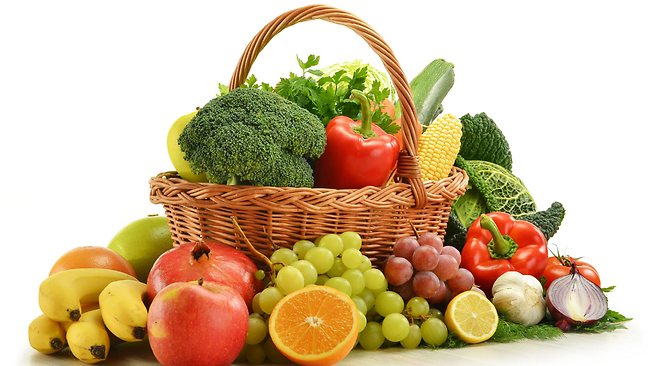
Cholesterol-Lowering Foods: A Heart-Healthy Guide

Cholesterol-Lowering Foods: A Heart-Healthy Guide

Maintaining healthy cholesterol levels is crucial for heart health. Incorporating certain foods into your diet can help manage cholesterol levels naturally. Here’s a guide to some of the best cholesterol-lowering foods:

1. Legumes

Legumes, such as beans, lentils, and chickpeas, are excellent sources of plant-based protein and fiber. They help reduce LDL (bad) cholesterol levels and improve overall heart health.

2. Whole Grains

Whole grains like oats, barley, and brown rice are fibre-rich options that can lower cholesterol. The soluble fibre in these grains helps reduce the absorption of cholesterol into your bloodstream.

3. Dark Chocolate

Good news for chocolate lovers! Dark chocolate contains flavonoids, which are antioxidants that can reduce cholesterol levels. Just be sure to choose chocolate with at least 70% cocoa content.

4. Garlic

Garlic is not only a flavourful addition to meals but also a heart health booster. It can help lower cholesterol levels and reduce blood pressure.

5. Vegetables

Vegetables are nutrient-dense and low in calories. They provide essential vitamins and minerals that support heart health. Leafy greens, in particular, are excellent for preventing heart disease.

6. Tea

Tea, especially green tea, is an antioxidant beverage that can help lower cholesterol levels. The catechins in tea are known for their cholesterol-reducing properties.

7. Avocados

Avocados are a great source of healthy fats. They contain monounsaturated fats that can help lower LDL cholesterol while maintaining HDL (good) cholesterol levels.

8. Nuts

Nuts, such as almonds and walnuts, are heart-healthy snacks. They are rich in unsaturated fats, fibre, and plant sterols, which can help reduce cholesterol levels.

9. Fatty Fish

Fatty fish like salmon, mackerel, and sardines are rich in omega-3 fatty acids. These healthy fats can lower triglycerides and improve overall heart health.

10. Fruits and Berries

Fruits and berries are natural antioxidants that can help lower cholesterol. Berries, in particular, are high in fiber and antioxidants, making them a great addition to a heart-healthy diet.

11. Soy Foods

Soy foods, such as tofu and soy milk, are excellent plant protein sources. They can help lower LDL cholesterol levels and provide a healthy alternative to animal proteins.

12. Dark Leafy Greens

Dark leafy greens like spinach, kale, and Swiss chard are packed with nutrients that support heart health. They are rich in vitamins, minerals, and antioxidants that can help prevent heart disease.

13. Extra Virgin Olive Oil

Extra virgin olive oil is a Mediterranean staple known for its heart-healthy benefits. It contains monounsaturated fats and antioxidants that can help lower cholesterol levels and reduce inflammation.

Incorporating these foods into your diet can make a significant difference in managing cholesterol levels and improving heart health. Remember, a balanced diet combined with regular exercise is key to maintaining a healthy heart.

Read More

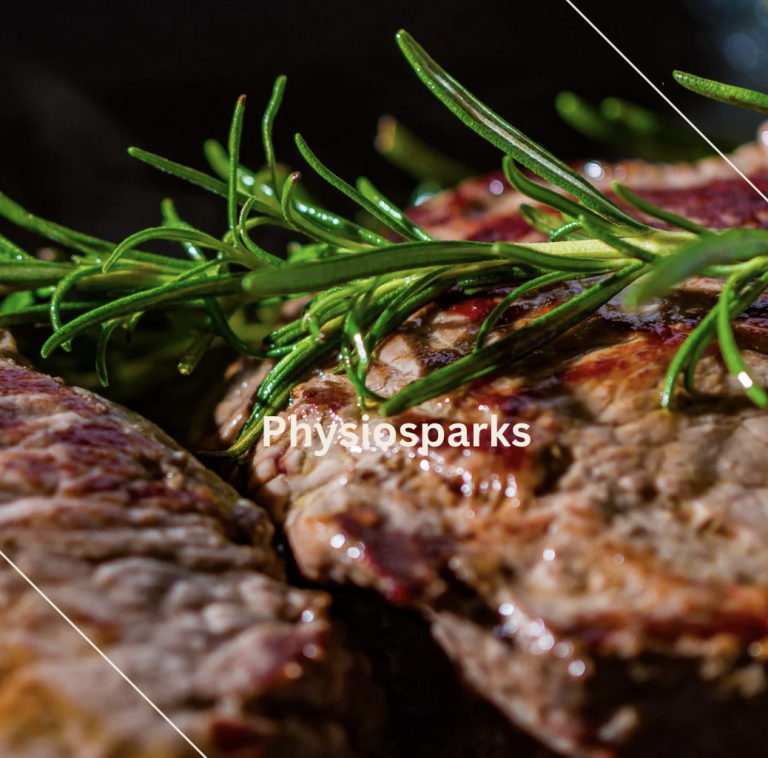
The Red Meat Dilemma: Delicious or Dangerous?

The Red Meat Dilemma: Delicious or Dangerous?

Red meat, the succulent muscle meat of mammals like beef, lamb, and pork, owes its rich colour to the myoglobin pigment. This pigment not only gives red meat its characteristic hue but also deepens as it cooks, making it a staple in many diets worldwide.

However, as global meat consumption rises, particularly with chicken and pork, the debate over red meat’s health implications intensifies. On one hand, red meat is packed with essential nutrients, offering significant nutritional value. On the other hand, its consumption has been linked to serious health issues, including endocrine abnormalities, gastrointestinal problems, various cancers, and cardiovascular diseases (CVDs).

Despite its normalization by major food franchises, the potential cardiovascular risks associated with red meat cannot be ignored. Conditions such as atherosclerosis, ischemic heart disease, stroke, and cardiac failure have all been connected to red meat consumption. Given the mounting evidence that red and processed meats are risk factors for CVDs and all-cause mortality, it’s crucial to reassess our dietary choices.


So, is red meat a delicious delight or a dangerous indulgence? The answer may lie in moderation and informed choices. As we continue to enjoy our favourite dishes, let’s also stay mindful of the potential health impacts and strive for a balanced diet that supports our overall well-being.


Source:

Singh, B., Khan, A. A., Anamika, F. N. U., Munjal, R., Munjal, J., & Jain, R. (2025). Red meat consumption and its relationship with cardiovascular health: a review of pathophysiology and literature. Cardiology in Review33(1), 49-53.

Read More