Please read: https://physiosparks.com/2022/01/07/drug-therapy-in-osteoarthritis/
Walking plays a vital role in maintaining our quality of life. Research indicates that it contributes more than any other physical activity to our day-to-day well-being. However, nearly one in three adults over the age of 60 experiences some difficulty with walking.
As we grow older, subtle changes in our health and physical function can gradually affect the way we walk—often without us noticing. Yet our walking pattern, or gait, is more important than we might realize. An inefficient or altered gait can make walking more difficult and exhausting, increase stress on the joints, reduce stability, and significantly elevate the risk of falls.
To read more, kindly check this out: https://theconversation.com/why-gait-quality-matters-as-you-age-256636

Authors:
Professor of Clinical Rehabilitation, College of Medicine and Health, University of Exeter
Distinguished James McGill Professor, School of Physical & Occupational Therapy, McGill University
Maintaining healthy cholesterol levels is crucial for heart health. Incorporating certain foods into your diet can help manage cholesterol levels naturally. Here’s a guide to some of the best cholesterol-lowering foods:
Legumes, such as beans, lentils, and chickpeas, are excellent sources of plant-based protein and fiber. They help reduce LDL (bad) cholesterol levels and improve overall heart health.
Whole grains like oats, barley, and brown rice are fibre-rich options that can lower cholesterol. The soluble fibre in these grains helps reduce the absorption of cholesterol into your bloodstream.
Good news for chocolate lovers! Dark chocolate contains flavonoids, which are antioxidants that can reduce cholesterol levels. Just be sure to choose chocolate with at least 70% cocoa content.
Garlic is not only a flavourful addition to meals but also a heart health booster. It can help lower cholesterol levels and reduce blood pressure.
Vegetables are nutrient-dense and low in calories. They provide essential vitamins and minerals that support heart health. Leafy greens, in particular, are excellent for preventing heart disease.
Tea, especially green tea, is an antioxidant beverage that can help lower cholesterol levels. The catechins in tea are known for their cholesterol-reducing properties.
Avocados are a great source of healthy fats. They contain monounsaturated fats that can help lower LDL cholesterol while maintaining HDL (good) cholesterol levels.
Nuts, such as almonds and walnuts, are heart-healthy snacks. They are rich in unsaturated fats, fibre, and plant sterols, which can help reduce cholesterol levels.
Fatty fish like salmon, mackerel, and sardines are rich in omega-3 fatty acids. These healthy fats can lower triglycerides and improve overall heart health.
Fruits and berries are natural antioxidants that can help lower cholesterol. Berries, in particular, are high in fiber and antioxidants, making them a great addition to a heart-healthy diet.
Soy foods, such as tofu and soy milk, are excellent plant protein sources. They can help lower LDL cholesterol levels and provide a healthy alternative to animal proteins.
Dark leafy greens like spinach, kale, and Swiss chard are packed with nutrients that support heart health. They are rich in vitamins, minerals, and antioxidants that can help prevent heart disease.
Extra virgin olive oil is a Mediterranean staple known for its heart-healthy benefits. It contains monounsaturated fats and antioxidants that can help lower cholesterol levels and reduce inflammation.
Incorporating these foods into your diet can make a significant difference in managing cholesterol levels and improving heart health. Remember, a balanced diet combined with regular exercise is key to maintaining a healthy heart.
Red meat, the succulent muscle meat of mammals like beef, lamb, and pork, owes its rich colour to the myoglobin pigment. This pigment not only gives red meat its characteristic hue but also deepens as it cooks, making it a staple in many diets worldwide.
However, as global meat consumption rises, particularly with chicken and pork, the debate over red meat’s health implications intensifies. On one hand, red meat is packed with essential nutrients, offering significant nutritional value. On the other hand, its consumption has been linked to serious health issues, including endocrine abnormalities, gastrointestinal problems, various cancers, and cardiovascular diseases (CVDs).
Despite its normalization by major food franchises, the potential cardiovascular risks associated with red meat cannot be ignored. Conditions such as atherosclerosis, ischemic heart disease, stroke, and cardiac failure have all been connected to red meat consumption. Given the mounting evidence that red and processed meats are risk factors for CVDs and all-cause mortality, it’s crucial to reassess our dietary choices.

So, is red meat a delicious delight or a dangerous indulgence? The answer may lie in moderation and informed choices. As we continue to enjoy our favourite dishes, let’s also stay mindful of the potential health impacts and strive for a balanced diet that supports our overall well-being.
Source:
Singh, B., Khan, A. A., Anamika, F. N. U., Munjal, R., Munjal, J., & Jain, R. (2025). Red meat consumption and its relationship with cardiovascular health: a review of pathophysiology and literature. Cardiology in Review, 33(1), 49-53.
The Hidden Dangers of Modifiable Risk Factor Clusters
In the quest for better health, we often focus on individual risk factors like diet, exercise, and sleep. However, research suggests that it’s not just these factors in isolation that matter, but how they combine to impact our overall health. Understanding the effects of clusters of modifiable risk factors can provide valuable insights into preventing serious health issues, including increased mortality risk.
Data on the impact of clusters of modifiable risk factors are rare, but emerging studies are shedding light on their significance. For instance, Australian researchers who conducted a study on all-cause mortality have found that combinations of specific risk factors, such as physical inactivity, prolonged sitting, and short or long sleep duration, are associated with higher levels of mortality risk.
Physical inactivity is a well-known risk factor for various health conditions, including cardiovascular disease, diabetes, and obesity. When combined with prolonged sitting, the risks are amplified. Sedentary behavior can lead to poor circulation, muscle degeneration, and metabolic issues, further increasing the likelihood of serious health problems.
Sleep is another critical component of health. Both short and long sleep durations have been linked to adverse health outcomes. Short sleep duration can lead to sleep deprivation, affecting cognitive function, mood, and overall well-being. On the other hand, excessively long sleep can be a sign of underlying health issues and has been associated with increased mortality risk.
These findings highlight the importance of a holistic approach to health. It’s not enough to address individual risk factors in isolation. Instead, we need to consider how these factors interact and influence each other. For example, improving physical activity levels can reduce the negative effects of prolonged sitting, and optimizing sleep duration can enhance overall health.
Understanding and managing clusters of modifiable risk factors is crucial for improving health and reducing mortality risk. By adopting a holistic approach and making small, sustainable changes to our lifestyle, we can significantly enhance our well-being and longevity.
Source:
Ding, D., Rogers, K., van der Ploeg, H., Stamatakis, E., & Bauman, A. E. (2015). Traditional and emerging lifestyle risk behaviors and all-cause mortality in middle-aged and older adults: evidence from a large population-based Australian cohort. PLoS medicine, 12(12), e1001917.
Prostate cancer is one of the most common cancers in men worldwide, but African American men face a significantly higher risk of developing and dying from the disease compared to other racial groups. This disparity is linked not only to genetics, but also to several modifiable risk factors—factors that individuals and communities can influence to reduce risk. Understanding these factors is crucial for prevention, early detection, and better health outcomes.
Research shows that African American men are 1.5 times more likely to develop prostate cancer and twice as likely to die from it compared to White men. While genetics may play a role, environmental and lifestyle factors contribute significantly to this disparity. The good news is that many of these factors are modifiable, meaning that addressing them can help reduce risk.
2-Amino-1-methyl-6-phenylimidazo[4,5-b]pyridine (PhIP) is a compound that forms when meat is cooked at high temperatures. It is one of the most abundant heterocyclic amines (HCAs) found in cooked meats like beef, pork, chicken, and fish. PhIP can form DNA adducts, leading to mutations and potentially causing cancer.
To reduce the risk associated with PhIP:

While prostate cancer disparities in African American men remain a serious public health concern, focusing on modifiable risk factors can empower individuals and communities to take proactive steps in reducing risk. Lifestyle changes, early screenings, and better access to healthcare can help close the gap and improve health outcomes for future generations.
By raising awareness and promoting preventive measures, we can work towards health equity and better outcomes for African American men facing prostate cancer.
Source:
Johnson, J. R., Mavingire, N., Woods-Burnham, L., Walker, M., Lewis, D., Hooker, S. E., … & Kittles, R. A. (2024). The complex interplay of modifiable risk factors affecting prostate cancer disparities in African American men. Nature Reviews Urology, 1-11.
Do you know that to keep all the joints of your lower limbs mobile, well-lubricated and strong, you need to sit on the floor and jump every day? However, if you already have joint problems, consult your healthcare provider before engaging in these fun activities.

Health and Wellness: A Personal Guide to Staying Healthy
Maintaining good health and wellness is essential for leading a fulfilling life. This guide offers practical insights and tips to help you prioritize your well-being in a diverse cultural landscape with accessible healthcare. As a Fitness Trainer and Health Promotion Advocate, I understand the significance of physical health and offer key points to consider for staying healthy in your environment.


In conclusion, prioritizing health and wellness is a personal journey that requires commitment and self-awareness. By making informed choices and adopting positive lifestyle habits, individuals can lead healthier, more fulfilling lives in their environment. Remember that small changes can lead to significant improvements in overall well-being.
Written by Obinna Henis Ezeukwu (B.Sc. ECN, Dip. Care-Giving, First Aid/CPR certified) (Professional Fitness Coach, Health Care Promotion Advocate)
Email:MegahtvO@gmail.com
Healthcare Professionals Corner:
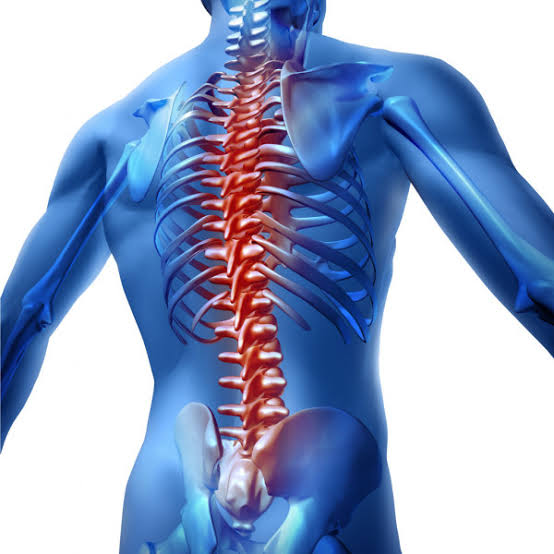
New insights suggest that effective care for people with chronic mechanical low back pain (MLBP) goes beyond just treating physical symptoms. Traditional approaches focus mainly on structural issues, but this study highlights the importance of also assessing quality of life, physical activity, and disability.
Over the past decade, research has shown that pain is influenced by both physical and psychosocial factors. Many people with MLBP experience reduced activity levels, poorer quality of life, and daily limitations, all of which contribute to their overall experience of pain and disability. However, capturing these aspects can be challenging for clinicians, as standardized measures for these outcomes vary widely.

The study suggests that when clinicians consider not only the intensity of pain but also its impact on everyday life, they’re better equipped to address the full scope of a patient’s condition. For example, higher pain levels often correlate with reduced physical activity and quality of life. Therefore, managing MLBP with a broader approach—assessing quality of life, physical activity, and functional ability—could provide more comprehensive and effective care.
Incorporating this holistic view into patient management could offer a new standard for treating MLBP, allowing healthcare providers to support patients in leading more active, fulfilling lives despite their condition.
Source:
Ekediegwu, E. C., Onwukike, C. V., & Onyeso, O. K. (2024). Pain intensity, physical activity, quality of life, and disability in patients with mechanical low back pain: a cross-sectional study. Bulletin of Faculty of Physical Therapy, 29(1), 1.
Do you know that there are sex and gender differences in the way pain is perceived? This may affect the kind of treatment a health specialist such as a physiotherapist gives. A growing body of evidence indicates that males and females differ in the anatomical and physiological composition of the central nervous system circuits involved in pain processing and analgesia.