

A study in the Journal of Epidemiology and Community Health suggests that being a scout or guide could help improve mental health in later life.
Source: Independent
http://ind.pn/2fIsTOt
A study in the Journal of Epidemiology and Community Health suggests that being a scout or guide could help improve mental health in later life.
Source: Independent
http://ind.pn/2fIsTOt

Modest and sustained decreases in blood pressure and cholesterol levels reduces the lifetime risk of developing fatal heart and circulatory diseases, such as heart attack and stroke, according to research part-funded by the British Heart Foundation (BHF) and supported by the National Institute for Health Research (NIHR).
The findings are being presented at the European Society of Cardiology (ESC) Congress in Paris and published in the Journal of the American Medical Association (JAMA).
Researchers have found that a long-term reduction of 1 mmol/L low-density lipoprotein (LDL), or ‘bad’ cholesterol, in the blood with a 10 mmHg reduction in blood pressure led to an 80 per cent lower lifetime risk of developing heart and circulatory disease.
This combination also reduced the risk of death from these conditions by 67 per cent.
The team found that even small reductions can provide health benefits. A decrease of 0.3 mmol/L LDL cholesterol in the blood and 3 mmHg lower blood pressure was associated with a 50 per cent lower lifetime risk of heart and circulatory disease.
Scientists have previously found that lowering both blood pressure and the amount of ‘bad’ cholesterol in the blood are two ways which can prevent the onset of heart and circulatory disease. However, the risk, which accumulates over time, has not been quantified before.
In this study, Professor Brian Ference and his team studied 438,952 participants in the UK Biobank, who had a total of 24,980 major coronary events – defined as the first occurrence of non-fatal heart attack, ischaemic stroke or death due to coronary heart disease. They used an approach called Mendelian randomization, which uses naturally occurring genetic differences to randomly divide the participants into groups, mimicking the effects of running a clinical trial.
People with genes associated with lower blood pressure, lower LDL cholesterol and a combination of both were put into different groups, and compared against those without these genetic associations. Differences in blood LDL cholesterol and systolic blood pressure (the highest level that blood pressure reaches when the heart contracts), along with the number of cardiovascular events was compared between groups.
Professor Brian Ference now hopes that these findings can bring about change in the healthcare of people at greater risk of developing heart and circulation complications, and improved guidance for those requiring lifestyle changes.
Professor Brian A Ference, lead researcher of the study at University of Cambridge, said:
Heart and circulatory diseases steal the lives of 168,000 people each year in the UK, which is just greater than the population of the city of Cambridge. It’s vital we do everything possible to help prevent people developing these life-threating conditions.
Even small reductions in both ‘bad’ cholesterol and blood pressure for sustained periods of time can pay very big health dividends, and dramatically reduce the lifetime risk of developing heart and circulatory disease.
We now plan to take the results from this study to create a lifetime cardiovascular risk calculator and to support the development of new prevention guidelines.”
Professor Sir Nilesh Samani, Medical Director of the British Heart Foundation said:
“This research again demonstrates that high blood pressure and raised cholesterol are key risk factors for heart attacks and strokes. But how many of us know our numbers for these, or have made sustained efforts to lower them? Hopefully, the findings reported today that the risk could be reduced by as much as 80 per cent, can act as a motivator for long-term change.
Millions of people are living with untreated high blood pressure or raised cholesterol, both of which can be lowered with lifestyle changes and medication. Huge numbers of heart attacks and strokes can be prevented simply by getting to know your numbers and taking your health into your own hands.
Simple devices are now available for measuring blood pressure. Also, everyone between the ages of 40-74 is eligible for a free NHS health check, which assesses your risk of developing heart and circulatory diseases, and includes cholesterol and a blood pressure reading. It’s important that we all take advantage of this.”
Source: British Heart Foundation
Reviewer: James Ives, M.Psych. (Editor)

Scientists from King’s College London have revealed that hearing birdsong can boost mental wellbeing for more than four hours.
Source: Telegraph
bit.ly/2ANyjr8
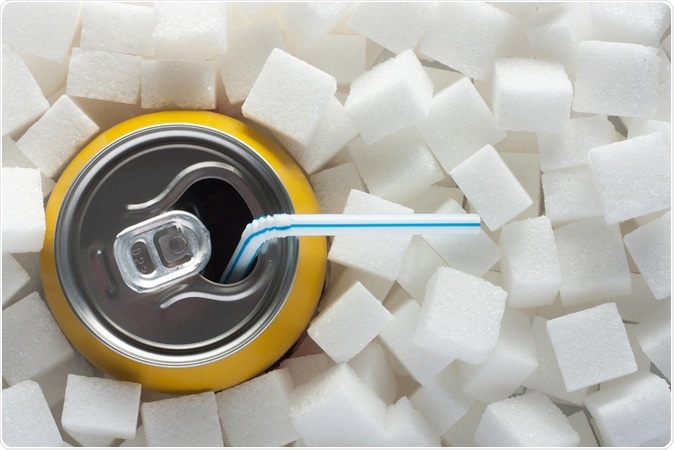
New evidence shows that consuming two or more cans of diet drinks like diet coke everyday could be linked to a raised risk of dying the study, Dr Yasmin Mossavar-Rahmani, from the Albert Einstein College of Medicine in the Bronx, New York said, “Many well-meaning people, especially those who are overweight or obese, drink low-calorie sweetened drinks to cut calories in their diet. Our research and other observational studies have shown that artificially sweetened beverages may not be harmless and high consumption is associated with a higher risk of stroke and heart disease.”
This new study primarily focuses on women and the effects of these sweetened low calorie 9 ù on their heart health. A total of 81,714 post-menopausal women were included in the study and all of them were 50 to 79 years of age at the start of the study. Their health and wellbeing was tracked and followed up for twelve years from the commencement of the study. A single serving of a diet drink was taken to be 355 ml write the researchers. At the end of three years, the women were asked to report on their consumption of diet drinks, low calorie, artificially sweetened colas, fruit drinks, sodas etc. over the previous three months.
The researchers reveal that some groups are at a greater risk of heart disease. Obese women for example who were taking diet drinks were at double the risk of stroke. African-American women too had a greater risk of stroke, the study reveals. Dr. Mossavar-Rahmani however adds a small caveat saying that it is unclear whether diet drinks are directly causing these early deaths or there are other lifestyle and diet factors contributing to these numbers. The results were adjusted to some of the other risk factors such as age, high blood pressure and smoking. He said, “We don’t know specifically what types of artificially sweetened beverages they were consuming, so we don’t know which artificial sweeteners may be harmful and which may be harmless.”
According to the latest recommendations from the American Heart Association there is no clear evidence yet that low-calorie sweetened beverages have an association with heart disease or stroke. This study however refutes the idea and experts warn that if an individual is looking to cut calories, they should switch to drinking water instead of diet drinks.