
Scientists from the US national Institute on Aging reveal that exercise produces a protein called Cathepsin B which helps brain cell growth and improves memory.
Source: Daily Telegraph
http://bit.ly/295Dqjf
Scientists from the US national Institute on Aging reveal that exercise produces a protein called Cathepsin B which helps brain cell growth and improves memory.
Source: Daily Telegraph
http://bit.ly/295Dqjf

Singing in a choir could help to keep cancer at bay, with a single hour of choral singing said to increase levels of immune proteins, reduce stress and improve mood.
Source: Daily Telegraph
http://bit.ly/1MUbyjK

The benefits of cycling and walking ‘outweighs the risk of air pollution’ in cities, says an international report. The study included Delhi, a city in India where cycling for five hours in a week was beneficial – despite pollution levels being 10 times higher than London.
Source: Guardian
http://bit.ly/220vXa2

Do you know that physiotherapy reduces abdominal adhesions that can cause infertility in women?
Find out from a Women-Health Specialist!

A study led by Bin Jiang from the University of Illinois has revealed that being around trees reduces stress.
Trees remove carbondioxide from the environment as they release oxygen which is consumed by humans. Their leaves also filter pollutants from the environment.
A good reason to discourage logging!
Source: Telegraph
http://bit.ly/1Xn0v5C
Dive right in to watch this video on the risk factors, symptoms and prevention of breast cancer.
Please subscribe to our YouTube channel for more health videos.
Like our Facebook page: https://web.facebook.com/physiosparks08/
Follow us on Instagram: https://www.instagram.com/physiosparks/
Follow us on Twitter: https://twitter.com/physiosparks
Check out this video on symptoms of mechanical low back pain.
Warning: This video contains sensitive scenes which some people may find disturbing!
Read: https://physiosparks.com/2023/04/11/way-to-go/
Please subscribe to our YouTube channel for more health videos: https://www.youtube.com/channel/UCAbXmfpV_OSF7xrUV9ZJYRA
Like our Facebook page:https://mobile.facebook.com/physiosparks08/?view_public_for=104800054270444
Follow us on Instagram:https://instagram.com/physiosparks?utm_medium=copy_link
Follow us on Twitter:https://twitter.com/physiosparks

Do you know that COVID-19 is actually spread by droplet contact?
When an infected person coughs, sneezes or exhales droplets, the particles of COVID-19 go into the air and can stay in the air for sometime before landing on some surfaces. When another person touches these surfaces with COVID-19 particles and then makes contact with his/her face, eyes, nose or mouth, the person becomes infected.
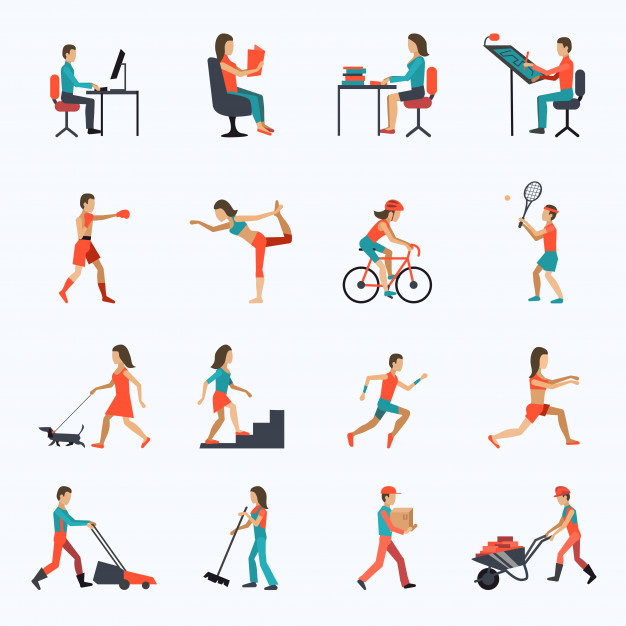
Physical activity includes all forms of active recreation, sports participation, cycling and walking, as well as activities you do at work and around the home and garden. It does not have to be exercise or sport – play, dance, gardening, and even house cleaning and carrying heavy shopping is all part of being physically active.
As cases of COVID-19 rapidly increase, efforts on containing and mitigating the outbreak involves but not limited to movement restriction. However, it is very important for people of all ages and abilities to be as active as possible anytime, anywhere. Even a short break from sitting, by doing 3-5 minutes of physical movement, such as walking or stretching, will help ease muscle strain, relieve mental tension and improve blood circulation and muscle activity. Regular physical activity can also help to give the day a routine and be a way of staying in contact with family and friends.
Hence, regular physical activity:
WHO has detailed recommendations on the amount of physical activity people of all ages should do to benefit their health and wellbeing. Here are the minimum levels recommended:
Infants under the age of 1 year need to
Children under 5 years of age
Children and adolescents aged 5-17years
Adults aged over 18 years
It is always better to be physically active than to be sedentary. Start with small amounts and gradually increase frequency, intensity, duration and type of exercise over time.
Being active during the COVID-19 pandemic is challenging for us all. Because the opportunities to be physically active seem to be more restricted, it is even more important to plan in every day the ways to be active and to reduce the time spent sitting for long periods. Put simply, it is a critical time to ensure we all move more and sit less.
Talk to a licenced physiotherapist about your physical activity goals, tips and ideas on how to meet World Health Organisation’s Physical Activity Guidelines amidst COVID-19 pandemic.