Health Information

Health Information

Read More

Type 2 diabetes and sugary drinks

Type 2 diabetes and sugary drinks

Diabetes is a major cause of many complications such as stroke, heart attack, kidney failure, blindness, and lower limb amputation. At least 1.6 million people had died due to diabetes in 2016. Insulin resistance is a driving factor that leads to type 2 diabetes, which in itself can lead to a plethora of complications including cardiovascular disease, kidney damage, vision loss, and neuropathy.

Type 2 diabetes is a chronic condition that happens when the pancreas does not produce adequate amounts of insulin, or the body can’t effectively utilize the insulin it produces. Across the globe, there are an estimated 422 million people who have diabetes in 2014, up from 108 in 1980.

There are many factors that can contribute to the development of type 2 diabetes, and scientists are still uncovering more. Now, a team of researchers at the Harvard T.H. Chan School of Public Health has released a study suggesting that drinking more than two artificially sweetened or sugary soft drinks each day increases the risk of diabetes.

What are sugary drinks?

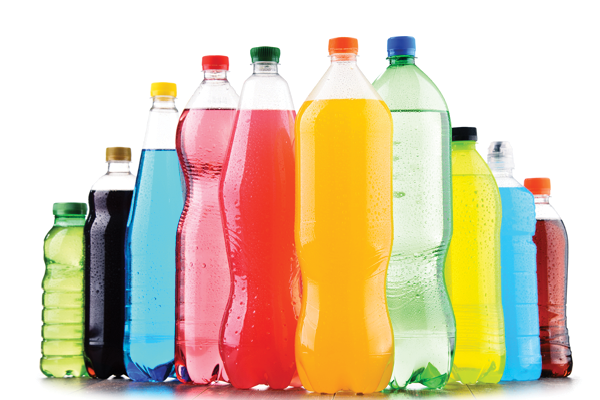
Sugary drinks, also called sugar-sweetened drinks or soft drinks, are beverages containing added sugar and other sweeteners, such as fruit juice concentrates, sucrose, and high fructose corn syrup. Included in the sugary drink category are cola, tonic, pop, soda, lemonade, and fruit punch, to name a few.

Collectively, these drinks are the single largest source of added sugar and calories in the U.S. diet. In other countries, the consumption of sugary drinks is increasing significantly due to widespread beverage marketing and urbanization.

Published in the journal Diabetes Care, the study aims to look for the long-term effects in the consumption of artificially-sweetened beverages (ASBs) and sugar-sweetened beverages (SSBs), and its connection with the risk of developing type 2 diabetes.

The team found that drinking more artificially-sweetened beverages, as an alternative to sugar-sweetened beverages, such as soda and fruit juices, increases the risk of type 2 diabetes, which is a chronic condition wherein the blood sugar level elevates.

Sugary drinks and type 2 diabetes link

The study revealed that those who increase their sugary beverage consumption may have a greater risk of having type 2 diabetes. There are two types of sugar drinks – sugar-sweetened beverages (SSBs) such as sodas and fruit juices, and artificially-sweetened beverages (ASBs), such as diet drinks.

The researchers discovered that those who drank more SSBs had a higher risk of type 2 diabetes. The increase in risk was even true for those who drank ASBs, often branded as diet drinks. The risk of diabetes reduced when one daily serving of the sugary drink was replaced with water, tea, or coffee.

For the study, the team recruited 192,000 adults who are participants in three long-term studies – the Health Professional’s Follow-up Study, Nurses’ Health Study, and the Nurses’ Health Study II.

They divided the participants into three groups, the first group had type 2 diabetes, the second group had an uncommon type of diabetes, also called latent autoimmune diabetes in adults (LADA), which is characterized to have the symptoms and hallmarks of both type 1 and type 2 diabetes. The last group had no diabetes and were healthy.

They also tracked the participants’ changes in sugary drink consumption for a long period through a food frequency tool answered every four years.

The team of researchers found that those who drank more than two sugary drinks each day were twice as likely to develop diabetes. However, they found that the link was weaker in those who have LADA. Specifically, they found that a high consumption of sweetened beverages by about 4 ounces each day for four years is tied to an 18-percent increase in the risk of diabetes.

Hence, replacing sugary drinks with water, tea, or coffee can help reduce the risk by 2 to 10 percent.

The study results are in line with current recommendations to replace sugary beverages with noncaloric beverages free of artificial sweeteners. Although fruit juices contain some nutrients, their consumption should be moderated.”

Frank Hu, Study Author & Professor of Nutrition and Epidemiology


How sweet are these drinks?

Sugary drinks typically contain 7 to 10 teaspoons full of sugar. To put this in perspective, a teaspoon of sugar is around 4.2 grams.

Aside from sodas, energy drinks also contain added sugars. These drinks contain as much sugar as sodas, but also contain caffeine that can increase the blood pressure. Some products even contain unknown ingredients whose long-term health effects have not yet been explored or identified.

The take-home message? Skip sugary drinks and drink more water.


Written by Angela Betsaida B. Laguipo, BSN

Journal reference:

Drouin-Chartier, J. P., et al. (2019). Changes in Consumption of Sugary Beverages and Artificially Sweetened Beverages and Subsequent Risk of Type 2 Diabetes: Results From Three Large Prospective U.S. Cohorts of Women and Men. Diabetes Care. DOI: 10.2337/dc19-0734


Read More

Childhood Obesity

Childhood Obesity

Learn ways to promote healthy growth in children and prevent obesity.

About 1 in 5 (19%) children in the United States has obesity. Certain groups of children are more affected than others. National Childhood Obesity Awareness Month provides a chance for all of us to learn more about this serious health condition. While there is no simple solution, there are many ways communities can support children with their journey to good health.

Childhood Obesity Is a Major Public Health Problem

  • Children with obesity are at higher risk for having other chronic health conditions and diseases, such as asthma, sleep apnea, bone and joint problems, and type 2 diabetes. They also have more risk factors for heart disease like high blood pressure and high cholesterol than their normal weight peers.
  • Children with obesity can be bullied and teased more than their normal weight peers. They are also more likely to suffer from social isolation, depression, and lower self-esteem.
  • Children with obesity are more likely to have obesity as adults. This can lead to lifelong physical and mental health problems. Adult obesity is associated with a higher risk of type 2 diabetes, heart disease, and many types of cancers.

Childhood Obesity Is Influenced by Many Factors

Many factors can have an impact on childhood obesity, including eating and physical activity behaviors, genetics, metabolism, family and home environment, and community and social factors. For some children and families, obesity may be influenced by the following:

  • too much time spent being inactive
  • lack of sleep
  • lack of places to go in the community to get physical activity
  • easy access to inexpensive, high calorie foods and sugary beverages
  • lack of access to affordable, healthier foods

There Are Ways Parents Can Help Prevent Obesity and Support Healthy Growth in Children

To help ensure that children have a healthy weight, energy balance is important. There are many things parents can do to help their children achieve a healthy weight and maintain it.

Addressing Obesity Can Start in the Home, but Also Requires the Support of Providers and Communities

We can all take part in the effort to encourage children to be more physically active and eat a healthy diet.

State and local health departments, businesses, and community groups can:

  • Ensure that neighborhoods have low-cost physical activity opportunities such as parks, trails, and community centers.
  • Offer easy access to safe, free drinking water and healthy, affordable food options.

Health Care Providers can:

  • Measure children’s weight, height and body mass index routinely.
  • Connect or refer families to breastfeeding support services, nutrition education, or childhood healthy weight programs as needed.

Early Care and Education centers and schools can:

  • Adopt policies and practices that support healthy eating, regular physical activity, and limited screen time.
  • Provide opportunities for students to learn about and practice these behaviors.

Working together, we all have a role in making healthier foods, beverages, and physical activity the easy choice for children and adolescents to help prevent childhood obesity.


Source: Centers for Disease Control and Prevention

Read More

HIV Hope

HIV Hope

An HIV cure is a step closer after scientists found a molecular “kill switch” that stops infected cells from reproducing. A Lifelong drug treatment can prevent the virus leading to AIDS  from reproducing— but it remains dormant and can re-awaken if therapy is stopped. But now, scientists in the US believe they have made a breakthrough – discovering “one of the key switches that the HIV field has been searching for three decades to find”.

Drugs stop virus replicating

When a person is diagnosed with HIV, doctors start them on anti-retroviral treatment straight away. The combination of three drugs – typically taken in one tablet – work to stop the virus replicating in the body. By doing so, it reduces a person’s viral load – the amount of HIV in the blood. Once a person’s viral load drops below a certain threshold, it is described as being undetectable – which means they cannot pass the virus on to a sexual partner, even if they have unprotected sex. While the treatment is highly effective, it does not amount to a cure. Instead the virus does remain active – though at a very low level – in the body. If anti-retroviral therapy is stopped, these HIV reservoirs that lie dormant, can re-awaken.

One step closer to ‘Holy Grail’

But the new findings from the University of California, San Diego raise hopes that scientists are one step closer to that “Holy Grail”. Using genetic sequencing, the team identified a key cellular player in controlling how HIV reproduces in immune cells. Lab tests showed when the RNA molecule – dubbed HEAL – is turned off or deleted, it eliminates the dormant HIV reservoirs hiding in the body. Dr Tariq Rana, the author of the study, said: “The most exciting part of this discovery has not been seen before. “By genetically modifying a long non-coding RNA, we prevent HIV recurrence in T cells (immune cells) upon cessation of anti-retroviral treatment, suggesting that we have a potential therapeutic target to eradicate HIV and Aids.”

There are more than 100,000 Brits living with HIV in the UK – while an estimated 35 million are HIV positive across the world. Thanks to modern medicine, and anti-retroviral treatment, very few people in the UK go on to develop serious or late-stage HIV illnesses, that were prevalent in the late 80s and early 90s. Early diagnosis and effective treatment mean people with HIV can now expect to live as long as the rest of the population.

What are the symptoms of HIV?

Most infected people experience a short illness, similar to flu, two to six weeks after coming into contact with HIV.

These symptoms, which 80 per cent of infected people experience, are a sign that their body is trying to fight HIV. They include:

  • Fever
  • Sore throat
  • Body rash
  • Tiredness
  • Joint and/or muscle pain
  • Swollen glands

After this illness, which normally lasts one to two weeks, HIV sufferers will have no symptoms for up to 10 years – during which time they will look and feel well. However, the virus will continue to cause progressive damage to a person’s immune system. Only once the immune system is already severely damaged will the person show new symptoms. These include:

  • Weight loss
  • Chronic diarrhoea
  • Night sweats
  • Skin problems
  • Recurrent infections
  • Serious, life-threatening illnesses


Source: The Sun


Read More