
Eating processed meat may increase the risk of breast cancer by a fifth, state researchers from the University of Glasgow in the European Journal of Cancer.
Source:
The Times
Bit.ly/2Fn2u5s
Eating processed meat may increase the risk of breast cancer by a fifth, state researchers from the University of Glasgow in the European Journal of Cancer.
Source:
The Times
Bit.ly/2Fn2u5s

Scientists from King’s College London have revealed that hearing birdsong can boost mental wellbeing for more than four hours.
Source: Telegraph
bit.ly/2ANyjr8

According to a study carried out in Brain Research using mice, Alzheimer’s disease could be treated with a diabetes drug.
Both conditions could be managed by a physiotherapist.
Source: Independent bit.ly/2D1tBok

Each year, one in five U.S. adults — an estimated 53 million people — experience harm because of someone else’s drinking, according to new research in the Journal of Studies on Alcohol and Drugs.
Similar to how policymakers have addressed the effects of secondhand smoke over the last two decades, society needs to combat the secondhand effects of drinking, the authors state, calling alcohol’s harm to others “a significant public health issue.”
According to the study — an analysis of U.S. national survey data — some 21% of women and 23% of men, an estimated 53 million adults, experienced harm because of someone else’s drinking in the last 12 months. These harms could be threats or harassment, ruined property or vandalism, physical aggression, harms related to driving, or financial or family problems. The most common harm was threats or harassment, reported by 16% of survey respondents.
The specific types of harm experienced differed by gender. Women were more likely to report financial and family problems, whereas ruined property, vandalism, and physical aggression were more likely to be reported by men.
There is “considerable risk for women from heavy, often male, drinkers in the household and, for men, from drinkers outside their family,” the authors write.
Additional factors, including age and the person’s own drinking, were also important. People younger than age 25 had a higher risk of experiencing harm from someone else’s drinking. Further, almost half of men and women who themselves were heavy drinkers said they had been harmed by someone else’s drinking. Even people who drank but not heavily were at two to three times the risk of harassment, threats, and driving-related harm compared with abstainers. Heavy drinking was defined as drinking five or more drinks at a time for men or four or more drinks for women at least monthly.
To conduct the study, researchers led by Madhabika B. Nayak, Ph.D., of the Alcohol Research Group, a program of the Public Health Institute in Oakland, Calif., analyzed data from two telephone surveys conducted in 2015 — the National Alcohol’s Harm to Others Survey and the National Alcohol Survey. The current research, funded by the National Institute on Alcohol Abuse and Alcoholism, looked at data from 8,750 respondents age 18 and older and provides support for alcohol control policies, such as taxation and pricing to reduce alcohol’s harm to persons other than the drinker.
The freedom to drink alcohol must be counter-balanced by the freedom from being afflicted by others’ drinking in ways manifested by homicide, alcohol-related sexual assault, car crashes, domestic abuse, lost household wages, and child neglect.”
Timothy Naimi, M.D., M.P.H., of the Boston Medical Center
Naimi advocates for increased taxes on alcoholic beverages, noting that there is strong evidence that increased alcohol taxes decrease excessive drinking and reduce the harms to people other than the drinker.
In a second commentary, Sven Andréasson, M.D., of the Karolinska Institutet of Stockholm, Sweden, writes, in a similar vein, that setting minimum prices for alcohol is important for reducing the harms caused by drinking.
“There is now a growing literature on the effects of national alcohol policies to reduce not only consumption but also some of the secondhand harms from alcohol, notably the effects of price policies on all forms of violence — assaults, sexual violence, partner violence, and violence toward children,” Andréasson writes. “Recent research on the effects of minimum pricing is particularly relevant in this context, where studies in Canada find reductions in violence after the introduction of minimum pricing.”
Nayak agrees. “Control policies, such as alcohol pricing, taxation, reduced availability, and restricting advertising, may be the most effective ways to reduce not only alcohol consumption but also alcohol’s harm to persons other than the drinker,” she says.
Nayak, M.B. et al. (2019) Alcohol’s Secondhand Harms in the United States: New Data on Prevalence and Risk Factors. Journal of Studies on Alcohol and Drugs. doi.org/10.15288/jsad.2019.80.273.
Reviewer:

Researchers from the University of Copenhagen have learned that the effect of exercise may differ depending on the time of day it is performed. In mice they demonstrate that exercise in the morning results in an increased metabolic response in skeletal muscle, while exercise later in the day increases energy expenditure for an extended period of time.
We probably all know how important a healthy circadian rhythm is. Too little sleep can have severe health consequences. But researchers are still making new discoveries confirming that the body’s circadian clock affects our health.
Now, researchers from University of Copenhagen – in collaboration with researchers from University of California, Irvine – have learned that the effect of exercise may differ depending on the time of day it is performed. Studies in mice reveal that the effect of exercise performed in the beginning of the mouse’ dark/active phase, corresponding to our morning, differs from the effect of exercise performed in the beginning of the light/resting phase, corresponding to our evening.
There appears to be rather significant differences between the effect of exercise performed in the morning and evening, and these differences are probably controlled by the body’s circadian clock. Morning exercise initiates gene programs in the muscle cells, making them more effective and better capable of metabolizing sugar and fat. Evening exercise, on the other hand, increases whole body energy expenditure for an extended period of time.”
Associate Professor Jonas Thue Treebak from the Novo Nordisk Foundation Center for Basic Metabolic Research
The researchers have measured a number of effects in the muscle cells, including the transcriptional response and effects on the metabolites. The results show that responses are far stronger in both areas following exercise in the morning and that this is likely to be controlled by a central mechanism involving the protein HIF1-alfa, which directly regulates the body’s circadian clock.
Morning exercise appears to increase the ability of muscle cells to metabolize sugar and fat, and this type of effect interests the researchers in relation to people with severe overweight and type 2 diabetes.
On the other hand, the results also show that exercise in the evening increases energy expenditure in the hours after exercise. Therefore, the researchers cannot necessarily conclude that exercise in the morning is better than exercise in the evening, Jonas Thue Treebak stresses.
‘On this basis we cannot say for certain which is best, exercise in the morning or exercise in the evening. At this point, we can only conclude that the effects of the two appear to differ, and we certainly have to do more work to determine the potential mechanisms for the beneficial effects of exercise training performed at these two time-points. We are eager to extend these studies to humans to identify if timed exercise can be used as a treatment strategy for people with metabolic diseases’, he explains.
Source:
University of Copenhagen The Faculty of Health and Medical Sciences
Journal reference:
Sato, S. et al. (2019) Time of Exercise Specifies the Impact on Muscle Metabolic Pathways and Systemic Energy Homeostasis. Cell Metabolism. doi.org/10.1016/j.cmet.2019.03.013.
Reviewer:
Led by Li Zhang, an associate professor in Jinan University at Guangzhou, China, the researchers zoned in on the mechanistic target of rapamycin (mTOR) pathway in mice. Previous research by other scientists had identified the molecular system as a potential key to understanding how exercise helps improve learning but hadn’t pinpointed the exact function.
The mTOR pathway is already known to be involved in learning and memory process. There are also reports indicating mTOR activation inside the brain after exercise training. However, our study, for the first time, provides direct in vivo evidence that exercise-activated mTOR is necessary for enhanced spinogenesis and neural plasticity.”
Li Zhang, associate professor in Jinan University, member of the Guangzhou Regenerative Medicine and Health Guangdong Laboratory.
Neurons have a hand-like protrusion on one end of their long body. The hand stretches, the fingers spread, waiting for incoming signals from other cells. The fingers are called dendrites, which can grow wispy spines–spinogenesis. The spines are memory incarnate; they store memory of a specific incoming signal that requires a quick reaction. It’s similar to how a body develops antibodies to quickly defeat pathogens that it has already encountered.
Zhang and the researchers exercised mice on treadmills for an hour a day for three weeks and compared their brains to mice who sat on a still treadmill for the same amount of time. The mice who exercised had significantly more evidence of spinogenesis and stronger neural connections in the motor cortex. mTOR appears to be a critical factor in growing the spines and in keeping the brain able to make new connections and continue to grow, according to Zhang.
“Our results identify one critical intracellular pathway for the exercise mediation of cognitive functions and address the long-standing question for the role of mTOR underlying structural and functional adaptations of neural networks in response to the exercise,” Zhang said. “We believe that the comprehensive understanding of mTOR pathway in exercised brain can provide us with objective targets and biomarkers for evaluating exercise efficiency.”
The team’s ultimate goal is to apply this information to benefit the clinical intervention of cognitive deficits in humans using exercise training.
Chen, K. et al. (2019) Exercise training improves motor skill learning via selective activation of mTOR. Science Advances. doi.org/10.1126/sciadv.aaw1888.
Reviewer:

Everyone likes being smiled at because smiles are powerful. It does not cost much to put up a smile on your face.
Want to know the health benefits of a smile? Check these out:
1. Boosts mood
A smile helps the body release the ‘feel-good’ chemicals (endorphins, serotonin, oxytocin, dopamine) into the bloodstream. These helps to reduce blood pressure, heart rate, pain and the production of stress hormones (adrenaline, norepinephrine, cortisol). Elevated levels of stress hormones suppress every other hormone in the body, thereby leading to hormonal imbalance. Symptoms of hormonal imbalance include: leg cramps, depression, anxiety, reduced libido, vaginal dryness, sleep disturbances, night sweats, weight gain, urinary incontinence, memory loss to mention a few.
2. Improves immune system
Production of immune cells as well as infection-fighting antibodies increases with just a smile. This helps the body resist numerous diseases.
3. Enhances appearance
Smiling most often gives the illusion of confidence, attractiveness and youthfulness. People who smile easily are usually likeable, more readily approached with business ideas and offered advancements or rewards which invariably, enhances better relationships. Interestingly, most men are attracted to women who smile most times than those who frown.
4. Increases life span
More than just a respite from stress and agony, smile improves strength and courage to find new sources of hope, happiness and the will to thrive amidst difficulties.
So, wear your best smiles every single day!

A person’s ability to maintain independence and to physically care for themselves is an essential part of healthy aging. But few studies have examined how a person’s diet may allow some aging people to maintain physical function — basic everyday tasks like bathing, getting dressed, carrying groceries or walking up a flight of stairs — while others’ abilities diminish. A new study by investigators from Brigham and Women’s Hospital examines the role of a healthy diet and finds that this highly modifiable factor can have a large influence on maintaining physical function, lowering the likelihood of developing physical impairment by approximately 25 percent.
Findings:
Grodstein and Hagan found that higher diet scores (meaning better diet quality) were strongly associated with decreased odds of physical impairment, including a 25 percent lower likelihood of developing impairment in physical function with aging. An overall healthy diet pattern was more strongly associated with better physical function than an individual component or food. But the team did see that greater intake of vegetables, nuts, and lower intake of red or processed meats and sugar-sweetened beverages each modestly lowered risk of impairment.
Reviewer: Alina Shrourou, B.Sc. (Editor)
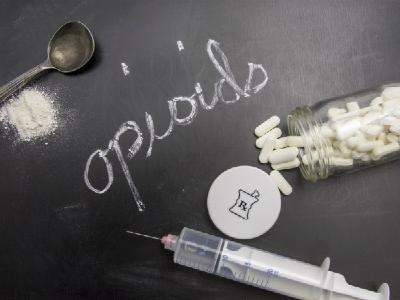
The study screened outpatients who had recently taken opioids by including only those who hadn’t filled an opioid prescription within the prior year. The study also screened outpatients with less serious pain by including only those who had visited a doctor for their condition within 30 days of their initial diagnosis and were given at least one opioid prescription within 90 days. The final sample consisted of 88,985 patients.
After adjusting for co-morbidities, such as diabetes and hypertension, the researchers found that the odds of patients filling an opioid prescription three months to a year after their initial pain diagnosis were lower if they had participated in at least one physical therapy session within 90 days of their diagnosis. The odds were reduced by 16 percent for patients with knee pain, 15 percent for shoulder pain, 8 percent for neck pain and 7 percent for lower back pain.
The findings could be helpful to clinicians in search of pain-management options that carry fewer health risks than opioids. Studies have shown exercise therapy, a component of physical therapy reduces pain and improves function for some musculoskeletal conditions. Other studies have shown that patients with past prescriptions for opioid pain medication are at increased risk for overdose and misuse.
The study also measured whether early physical therapy was associated with a decreased need for opioids in the long-term among patient who filled prescriptions. The researchers measured the number of opioids by converting prescribed amounts to oral morphine milligram equivalents.
They found that patients who had undergone early physical therapy used 10.3 percent less opioid medication for knee pain, 9.7 percent less for shoulder pain, and 5.1 percent less for back pain in the period three months to a year after their diagnosis. There was no significant reduction in neck pain.
After early physical therapy, patients with knee pain were 66 percent less likely in the period three months to a year after their diagnosis to either fill 10 or more prescriptions or acquire a supply of opioid medication for 120 days or more. Patients with low back pain were 34 percent less likely to be chronic users if they had early physical therapy.

Washington DC: Consuming a higher amount of green leafy vegetables can help reduce the risk of developing liver disease, a new study has suggested. Liver steatosis or fatty liver is a common disease that affects approximately 25 per cent of the global population. The most important causes are overweight or high alcohol consumption and there is currently no medical treatment for the disease.
In a study published in the journal PNAS, researchers from Karolinska Institute showed how a larger intake of inorganic nitrate, which occurs naturally in many types of vegetable, reduces accumulation of fat in the liver. They also showed how a greater intake of inorganic nitrate can prevent the accumulation of fat in the liver.
When we supplemented with dietary nitrate to mice fed with a high-fat and sugar Western diet, we noticed a significantly lower proportion of fat in the liver,” said Mattias Carlstrom, a researcher.
Their results were confirmed by using two different cell culture studies in human liver cells. Apart from a lower risk of steatosis, the researchers also observed a reduction of blood pressure and improved insulin/glucose homeostasis in mice with type 2 diabetes.
“We think that these diseases are connected by similar mechanisms, where oxidative stress causes compromised nitric oxide signaling, which has a detrimental impact on cardiometabolic functions,” said Carlstrom. “We now demonstrate an alternative way to produce nitric oxide, where more nitrate in our diet can be converted to nitric oxide and other bioactive nitrogen species in our body.”
Even though many clinical studies have been done, there is still considerable debate about what properties of vegetables make them healthy.