Do you know that COVID-19 lock-down and social distance as measures to control the spread could impact on your psycho-social well-being?
Do you know that COVID-19 lock-down and social distance as measures to control the spread could impact on your psycho-social well-being?
Do you know that coronaviruses are respiratory viruses?
Are you aware that smoking has a huge impact on respiratory health?
The act of smoking involves the use of fingers. These fingers which are usually in contact with the lips, and even the cigarettes, if contaminated with the virus that causes COVID-19 could increase the possibility of transmission of virus from hand to mouth. This, therefore, increases the vulnerability of smokers to COVID-19.
Waterpipe smoking used in public settings, often involve the sharing of mouth pieces and hoses, which could facilitate the transmission of COVID-19.
Smokers may also already have lung disease or reduced lung capacity (to take in oxygen and expel carbon dioxide) which would greatly increase risk of serious health conditions (challenges). Conditions that increase oxygen needs or reduce the ability of the body to use it properly will put patients at higher risk of serious lung conditions such as pneumonia. Severe pneumonia is one of the major complications of COVID-19.

Do you know that coronaviruses are respiratory viruses which replicate in the airways, respiratory tract, breathing passages?
Coronaviruses discovered in the middle of 1960s could cause very mild symptoms such as a common cold, sometimes severe symptoms. However, the newly-discovered type which causes Coronavirus Disease 2019 (COVID-19) could lead to severe symptoms such as difficult breathing. It is therefore imperative to know that individuals with underlying respiratory diseases may find it hard to fight againt this virus if they are exposed to it.
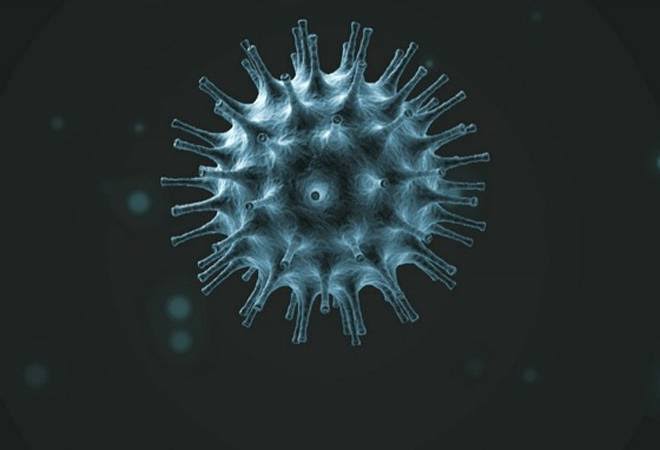
The infectious disease caused by the most recently discovered coronavirus is known as COVID-19. This new virus and disease were unknown before the outbreak began in China (Wuhan) in December 2019.
The incubation period (time between catching the virus or exposure to a virus and the appearance of the first symptoms of the disease) for COVID-19 range from 1-14 days, most commonly around five days. According to findings from new studies, an infected person may be contagious even before they start to experience the first symptoms. The reproduction number (R0) of the virus is estimated to be 2–3. This means that one infected person can infect 2 to 3 others.
Symptoms of COVID-19 are usually mild and gradual in onset. Infected persons do not usually have symptoms and majority recover from the disease without needing special medical treatment. More rarely, the disease can be serious and even fatal especially among the high-risk population https://physiosparks.com/2020/03/22/coronavirus-high-risk-population/
The most common symptoms of COVID-19 include:
Other symptoms are
Severe symptoms:
Symptoms that require immediate medical attention are
Note: Respiratory physiotherapists play a vital role in the management of some of these symptoms.

The virus that leads to COVID-19 infects people of all ages. However, there are people who are at a higher risk of getting severe COVID-19 disease:
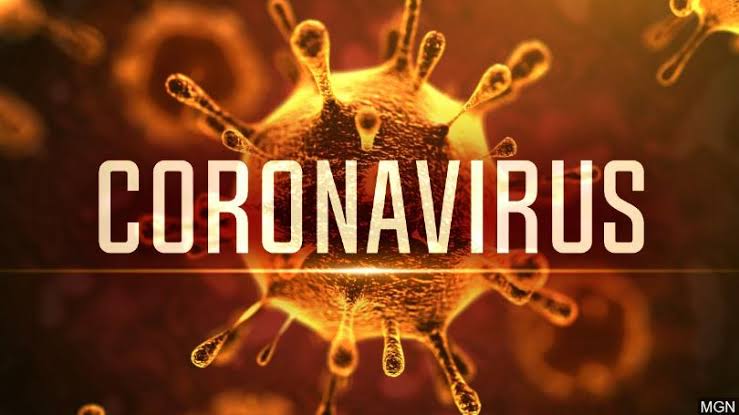
Coronaviruses (CoV) are a large family of viruses that cause illness ranging from the common cold to more severe diseases such as Middle East Respiratory Syndrome (MERS-CoV) and Severe Acute Respiratory Syndrome (SARS-CoV).
Coronavirus disease (COVID-19 is a new strain that was discovered in 2019 and has not been previously identified in humans.
Coronaviruses are zoonotic, meaning they are transmitted between animals and people. Detailed investigations found that SARS-CoV was transmitted from civet cats to humans and MERS-CoV from dromedary camels to humans. Several known coronaviruses are circulating in animals that have not yet infected humans.
Common signs of infection include respiratory symptoms, fever, cough, shortness of breath and breathing difficulties. In more severe cases, infection can cause pneumonia, severe acute respiratory syndrome, kidney failure and even death.
There is currently no specific treatment for coronavirus.
Standard recommendations to prevent infection spread include regular and thorough hand washing, covering mouth and nose with a tissue or sleeve when coughing and sneezing (putting used tissues in the bin and washing hands afterwards), thoroughly cooking meat and eggs. Stay off social activities such as going to restaurants, pubs, theatres and cinemas. Avoid close contact with anyone showing symptoms of respiratory illness such as coughing and sneezing.
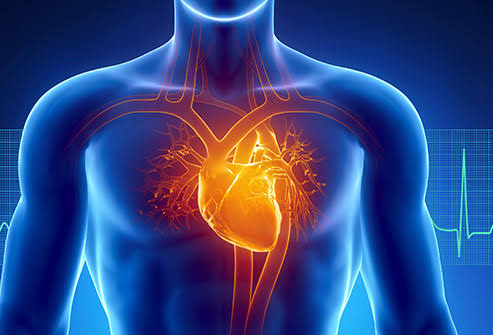
Every 37 seconds someone dies from heart disease and it is the number one killer for both men and women.
Some risk factors for developing heart disease include high blood pressure, smoking, high cholesterol, diabetes, and poor lifestyle habits. Although genetics play a role in the disease, people have the ability to change that predisposition. It is noteworthy that non-traditional risk factors of heart diseases include social isolation, resentment, grief, depression, loneliness, hostility, anxiety to mention a few.
Regular exercise and healthy eating (increase intake of fruits, vegetables, legumes, nuts, whole grains; decrease intake of saturated fat diet; limit intake of free sugars; limit salt consumption and ensure that salt is iodized; slowly increase intake of plant based diet) are highly recommended. Lifestyle changes including positive thinking, engaging in healthy relationships and avoiding stress are also helpful in preventing this disease.

Cancer prevention is an essential component of the fight against cancer. Cancer prevention must be considered in the context of activities to prevent other chronic diseases, especially those with which cancer shares common risk factors, such as cardiovascular diseases, diabetes, chronic respiratory diseases and alcohol dependence.
Common risk factors underlying all these conditions include:
*tobacco use
*alcohol use
*dietary factors including low fruit and vegetable intake
*physical inactivity
*overweight and obesity.
Other important cancer risk factors include exposure to:
*physical carcinogens, such as ultraviolet (UV) and ionizing radiation
*chemical carcinogens, such as benzo(a)pyrene, formaldehyde and aflatoxins (food contaminants), and fibres such as asbestos
*biological carcinogens, such as infections by viruses, bacteria and parasites.
PREVENTIVE MEASURES
*be physically active
*avoid alcohol use
* eat healthy food (increase intake of fruits, vegetables, legumes, nuts, whole grains; decrease intake of saturated fat diet; limit intake of free sugars; limit salt consumption and ensure that salt is iodized; avoid intake of food and drinks that are very hot in temperature; minimize exposure to aflatoxins or dioxins in food)
*avoid smoking
*avoid exposure to arsenic, radon and asbestos
*limit Ultraviolet (UV) exposure during extensive outdoor activities or use of sun beds (limit exposure to the midday sun; seek shade when necessary; use protective clothing and sunscreen)
* get vaccinated againt Hepatitis B virus (HBV). *Ensure proper screening before vaccination. If already infected, get treated*
*stay away from indoor air pollution from domestic coal fires
*get vaccinated against Human Papillomavirus (HPV). Ensure consistent and correct condom use.*Get regular HPV screening tests (only for women). If already infected, get proper treatment*
CANCER KILLS! FIGHT AGAINST IT!

Early on, cervical cancer may not cause signs and symptoms. However, at an advanced stage, cervical cancer may cause abnormal:
If you experience such, see a doctor for proper diagnosis.

The most important thing you can do to help prevent cervical cancer is to have regular screening tests starting at age 21.
Two screening tests for prevention and early diagnosis of cervical cancer—
Both tests can be done in a doctor’s office or clinic.
The HPV vaccine protects against the types of HPV that most often cause cervical, vaginal, and vulvar cancers.
If vaccination is started before age 15, a two-dose schedule is recommended, with the doses given 6 to 12 months apart. For people who start the series after their 15th birthday, the vaccine is given in a series of three shots.
HPV vaccination prevents new HPV infections, but does not treat existing infections or diseases. This is why the HPV vaccine works best when given before any exposure to HPV. You should get screened for cervical cancer regularly, even if you received an HPV vaccine.
These things may also help lower your risk for cervical cancer—
*HPV infection can occur in both male and female genital areas that are covered or protected by a latex condom, as well as in areas that are not covered. While the effect of condoms in preventing HPV infection is unknown, condom use has been associated with a lower rate of cervical cancer.
Content source: Division of Cancer Prevention and Control, Centers for Disease Control and Prevention