
Researchers from the University of Glasgow have revealed that cycling to work could assist individuals live longer and reduce the chances of developing cancer.
Source: Telegraph
http://bit.ly/2oMiBAd
Articles & News
Articles & News
Researchers from the University of Glasgow have revealed that cycling to work could assist individuals live longer and reduce the chances of developing cancer.
Source: Telegraph
http://bit.ly/2oMiBAd

Beetroot juice is filled with antioxidants, vitamins and minerals.
Its nitrate content helps to dilate blood vessels thereby increasing blood supply to tissues and organs of the body. This invariably, helps to lower blood pressure.
More so, its anti-inflammatory compound known as betalains which plays an important role in inflammatory diseases.
Beetroot extracts also, offers protection to the liver.
So, why don’t you take a glass of it now?
Source: www.express.co.uk

Regular physical activity strengthens the human immune system, decreases the risk of falling sick and dying from infectious diseases by more than a third and significantly promotes the effectiveness of vaccination campaigns. This invariably, has important implications for pandemic responses.
Read: https://physiosparks.com/2019/11/09/health-benefits-of-physical-activity/
Source: The Conversation
Dear Reader,
Our healthblog is absolutely free and we are so eager to reach out to millions of people all over the world. Our goal is to help individuals cultivate healthy behaviour or be well-equipped with the right health information in a diseased state. We lean on your support to make this happen. Your support means a lot to us. Kindly donate today: http://paypal.me/physiosparks
Love,
Physiosparks

PHYSIOTHERAPY AND PAIN-RELIEVING DRUG ABUSE
Prescription drug abuse (PDA) occurs when an individual (health professionals included) uses a prescribed drug for non-medical purposes, uses more than the prescribed dose or continues using it even after the amount prescribed by the physician was taken. Self-medication, on the other hand, is the selection and use of drugs to relieve symptoms of a condition without a prescription.
Pain-relieving drug misuse could be defined as the use of medications for non-medical reasons. Serious adverse health effects resulting from the abuse of prescription drugs or self-medication. Narcotics are natural opioid (pain-relieving) drugs that help to reduce pain and anxiety, promote drowsiness, and induce anesthesia prior to surgery. These drugs are commonly prescribed to help individuals with chronic pain lead productive lives.
In Nigeria, results of several studies have shown that opioids are the most abused prescribed or self-medicated drugs for body pain. Reasons for this include financial constraints, lack of time, convenience, non-availability of doctors, free access to pharmaceutical shops, lack of knowledge of diagnosis and perception of symptoms to be minor enough to be amenable to self-medication or prescribed drugs. Prescribed opioids not properly monitored in terms of dosage, duration, frequency, and side effects could lead to a high risk of overdose, dependency or addiction and fear of increased pain which invariably leads to abuse or withdrawal symptoms later in life especially if the drug is unavailable or no longer taken. Such withdrawal symptoms are diarrhea, vomiting, involuntary leg movements, bone or muscular pain, cold flashes with goose bumps, and lack of sleep (insomnia).
Causes of pain-relieving prescription drug abuse include the following: acute or chronic pain reduction; inaccessibility or unavailability of non-drug pain management service (physiotherapy, acupuncture, chiropractic), pleasure; legally available, obtainable and accessible pain-relieving drugs at markets, chemists, kiosks etc.; unpleasant withdrawal to developed dependency; increased pain intensity due to physical neglect; already built-up tolerance to present prescription; desire for relaxation; need for pleasure; desire for relieve of emotional pain.
Risk factors for pain-relieving prescription drug abuse include biological factors (genetics, gender, ethnicity, inherent mental disorders) and environmental factors (socioeconomic status, family, quality of life, peer pressure, friends, history of physical, emotional and/or sexual abuse, anxiety, depression, stress).
Opioids taken exactly as prescribed are safe and rarely cause addiction. However prolonged use of opioids could lead to physical dependence as well as abuse of such drugs which invariably will require medical supervision. Examples of opioids commonly abused in Nigeria’s healthcare system include paracetamol, tramadol, diclofenac, pentazocine, dihydrocodeine (DF118), ibuprofen, and demoline to mention a few. Others include gabapentin and pregabalin which are used to treat epilepsy and anxiety as well as reduce neuropathic pain. Combined with depressants, drugs for neuropathic pain cause sedation, drowsiness, respiratory failure, and death. It is indeed noteworthy that most of these drugs are Over-The-Counter (OTC) drugs which makes them readily available to individuals.
Some of the subjective side-effects of PDA or DM are decreased pain sensation (that is, masking pain sensation without dealing with the cause of the pain), constipation, and drowsiness to mention a few. Objectively, the side effects include drowsiness/sedation, nausea/vomiting, reduced respiratory rate, reduced blood pressure, depressed breathing/respiration, excessive mood swings, mental disorders (anxiety disorder, depression), euphoric feelings, feeling of overly and unusually energetic, tolerance, physical dependence/addiction, a feeling of usual weakness leading to the interference of Activities of Daily Living (ADL), behavioural and physiological changes, adverse reactions such as delayed wound healing, delayed repair of soft tissue injuries, soft tissue infections (cellulitis, abscess), low-grade fever, delayed gastric emptying, muscle rigidity, increased pain sensitivity, myoclonus, immunologic and hormonal dysfunction. The risk of hip fracture has been associated with the use of strong opioids like fentanyl and moderately strong opioids like buprenorphine.
In addition, when opioids are taken with alcohol or other drugs, the effects could be fatal, they include an increase in body temperature, reduced respiratory rate, and heart rate. In view of these, opioids when prescribed should be appropriately monitored due to the high risk of overdose and dependency which invariably leads to abuse.
Physiotherapists play a significant role in recognizing the signs and symptoms of prescription drug abuse. More so, they could screen patients when a problem is suspected and ensure that information on all drugs (prescribed or self-medicated) currently taken by patients is gotten. Thereafter, all findings should be reported to the referring medical doctor or primary care physician if the potential for drug abuse is suspected. The dangers of taking prescribed medication outside of the recommendation should be discussed with the patients.
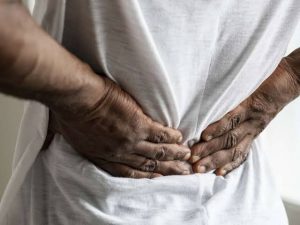
Musculoskeletal pain (neck, shoulder, elbow, wrist, back, hip, knee, and ankle pain) is among the common reasons for opioid usage. Its chronicity often leads to dependency and abuse. National healthcare coverage of musculoskeletal pain is usually limited to low-value healthcare approaches such as prescription medications (mostly involving long-term use of pain-relieving drugs), simple diagnostic imaging (especially X-rays) or onward referral to public hospitals. All these lead to a rise in healthcare costs and the risk of long-term musculoskeletal-related disability. Physiotherapy (which includes but is not limited to education, manual therapy, electrotherapy, shockwave therapy, low-level Light Amplified Stimulated Emission of Radiation (LASER) therapy, aquatic therapy, Intervertebral Differential Dynamics (IDD) and exercise) is amenable to most cases of musculoskeletal pain. In addition to this, Psychologically-Informed Physical Therapy (PIPT) is employed in addressing physical as well as psychosocial factors of pain such as depression and anxiety; side-effects of opioids.
Access to physiotherapy care is not equitable among Nigerians with musculoskeletal pain. Improving availability and access to physiotherapy (pain therapy with non-pain-relieving drugs) is a crucial public health issue as regards the increasing opioid crisis in Nigeria. It is therefore imperative to advocate for funding of physiotherapy services by health-policy makers and insurers.
Written by Ezinne Ekediegwu, MPT.
Warning: This video contains sensitive scenes.
Please subscribe to our YouTube channel for more health videos: Physiosparks.
Like our Facebook page: https://web.facebook.com/physiosparks08/
Follow us on Instagram: https://www.instagram.com/physiosparks/
Follow us on Twitter: https://twitter.com/physiosparks
According to the latest estimates by the World Health Organization and the International Labour Organization, prolonged working hours led to 745,000 deaths from stroke and ischemic heart diseases in 2016, a 29% increase since the year 2000, published in Environment International.
Source: World Health Organization

Australian researchers have found that patients with knee osteoarthritis will achieve greater pain reduction by opting for sturdy and supportive shoes rather than flat flexible footwear.
SOURCES: Jeffrey Schildhorn, MD, orthopedic surgeon, Lenox Hill Hospital, Northwell Health, New York City; Rana Hinman, PhD, professor, department of physiotherapy, University of Melbourne, Australia; Annals of Internal Medicine, Jan. 11, 2021

Studies have revealed that the risk factors for OA of the knee could be systemic or local.
Systemic risk factors include:
Local risk factors are:
Please read: https://physiosparks.com/2021/02/06/knee-osteoarthritis-the-ripples/

Walking on daily basis boosts one’s creativity and spurs one’s imagination, suggests a new study published in Scientific Reports.